The Liselere Geçiş Sınavı (LGS, Türkiye’s national high-school entrance exam) is held on a single day at the end of Grade 8. Arriving ready on that day, however, is not the result of a sprint squeezed into the final year; it comes from a planned process that runs throughout middle school. Learning topics on time and in a lasting way, the habit of regular reading and question practice, and the ability to cope with exam anxiety are all built up over the years.
At Özel Lider Güneşli Koleji, we approach LGS preparation as part of our education model, which is integrated with 21st-century skills. The aim of this model is to contribute not only to students’ academic development but also to the formation of their environmental and social identity. In this article, we first give a brief reminder of the exam itself, then describe the nine-step preparation process we follow in middle school and the role parents play in it.
What is the LGS and how does it work?
LGS is the common name for the central exam that the MEB (Turkish Ministry of National Education) administers to Grade 8 students as part of the Liselere Geçiş Sistemi (the transition-to-high-school system). The exam score is used for placement in high schools that admit students by examination.
In 2026, the exam was held in two sessions:
- Verbal section: 50 questions in 75 minutes, covering Turkish, History of the Turkish Revolution and Kemalism, Religious Culture and Ethics, and Foreign Language.
- Numerical section: 40 questions in 80 minutes, covering Mathematics and Science.
The questions are based on Grade 8 learning outcomes and measure reading comprehension, interpretation, reasoning and problem-solving skills rather than the recall of information. When scores are calculated, three wrong answers cancel out one correct answer. Because the exam date, scope and placement rules are announced each year in a guide published by the MEB, we recommend following the official announcements for up-to-date information.
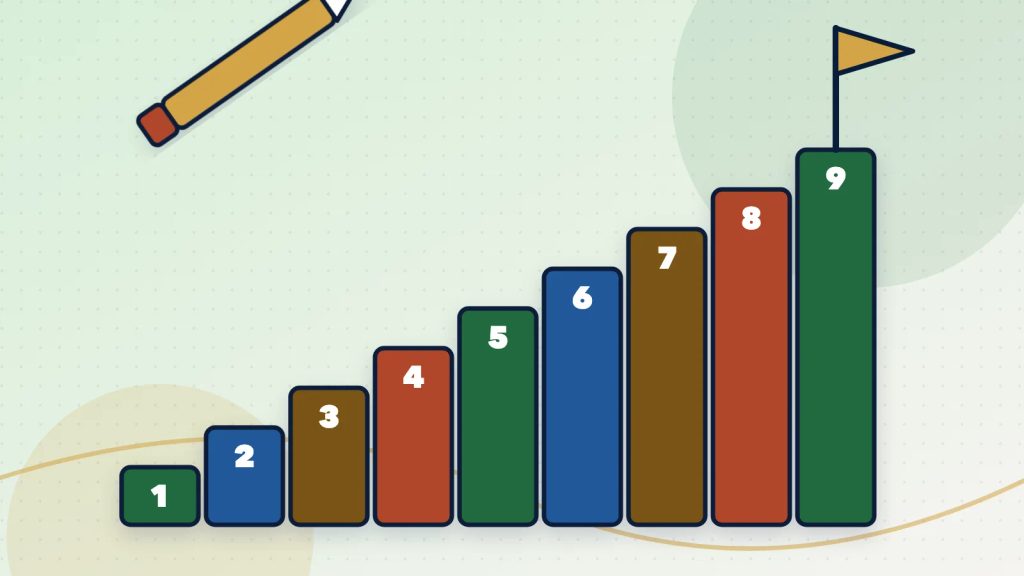
Preparation in nine steps
- Uninterrupted learning: Academic work carried out during the summer holiday consolidates what has been learnt and prevents knowledge from being forgotten over the long break.
- Early start: Academic preparation begins three weeks before the school year starts.
- Readiness test: Each student’s level is established and their individual gaps are identified. These findings form the basis of study plans tailored to each student.
- Intensive study-session programme: Extra lessons and supporting work target the gaps that have been identified.
- End-of-topic review tests: Tests given at the end of each topic measure how lasting the learning is.
- Weekly mock exams: Regular mock exams build exam experience and develop time-management skills.
- Gap-filling study sessions: Individualised support work is provided according to the gaps identified.
- Content-rich lesson programmes: We use lesson content designed for students’ different learning needs.
- More lesson hours and activities: We provide 50 per cent more lesson hours than those set by the MEB.
These steps complement one another: the readiness test and review tests reveal the gaps, the study sessions focus on closing them, and the mock exams regularly measure progress while also providing exam practice.
Support programmes in Grade 8
In the final year, preparation intensifies through support programmes planned around each student’s pace:
- Weekly study sessions
- Individual question-solving tracking system
- Nationwide mock exams
- AI-supported feedback that analyses gaps in topics
Nationwide mock exams help students see where they stand within a much larger group of students beyond their own class. Our principle for AI-supported feedback is clear: AI suggests; the teacher evaluates and decides. The aim of this system, built around each student’s pace, is to support success by reducing exam stress.
Daily work: subject lessons, the weekly plan and reading
LGS success takes shape in an ordinary school week, well before the extra work of the exam year. That is why the way lessons are taught, the way the week is planned and reading habits are the foundation of preparation.
Subject teachers and the weekly plan
In middle school, every subject is taught by a subject-specialist teacher. In Turkish, Mathematics, Science and Social Studies in particular, students build an academic foundation suited to high-school entrance exams.
To develop regular study habits, we use weekly plans for our middle school students:
- Reading hours
- Study camp days
- Question-practice hours
- Club activity days
Through regular mock exams and individual feedback, each student’s gaps are identified and a personal study plan is created. Parents can follow exam results, homework tracking and guidance feedback through the digital student tracking system on the mobile app.
Reading comprehension: common ground for every subject
In the LGS, even mathematics and science questions involve long texts, tables and graphs; reading the question correctly is often half the solution. In these so-called “new-generation” questions, students are often expected to select information from a text or graph, bring several pieces of information together and use them to reach the answer. A memorised rule is not enough on its own; students need to see how knowledge is used in which situation. Reading habits are therefore an integral part of LGS preparation, and the reading hours in our weekly plan serve this purpose.
We track students’ progress with practice exams held every week, and we plan preparation through result analysis, tracking of missing learning outcomes, one-to-one coaching sessions and support classes. Through our Coaching and Tracking System, we follow each student’s academic progress, practice exam results and learning gaps individually.
Guidance: managing anxiety, clarifying goals
The exam year is intense not only academically but also emotionally. A certain amount of excitement is natural and can even help a student focus; but if anxiety starts to noticeably affect sleep, appetite or the motivation to study, it needs to be discussed early. Our Psychological Counselling and Guidance unit works regularly with middle school students on managing exam anxiety, friendships, family communication and career guidance. A personal development file is created for each student, and the process is shared transparently with the family.
Our career counselling work guides students through the process of setting goals for the future by helping them draw up career plans that suit their interests and abilities. Choosing a high school is not just a question of scores; it is also a decision that depends on students getting to know themselves.
Tips for parents
Small steps taken at home strengthen the work done at school:
- Read mock exam results as a trend, not one by one. A single result can go up or down; what matters is the overall direction over several weeks.
- Do not neglect sleep, nutrition and physical activity. Regular sleep and rest are also important for consolidating what has been learnt.
- Set goals together. Achievable short-term goals (for example, a weekly reading or question-practice target) are more motivating than a distant score target.
- Avoid comparisons. Comparing your child with siblings or friends can increase anxiety.
- Keep up a social life. Clubs are not compulsory in middle school but they are encouraged; art, sport and club hours give children room to breathe.
- Stay in touch with the school. Share any changes in anxiety or motivation that you notice at home with teachers and the guidance unit.
Get to know our middle school
We welcome you to our school to see our LGS preparation process, weekly plans and guidance work first-hand. Campus visits take place on weekdays, 08:00–18:00, and on Saturdays, 09:00–13:00. You can fill in the enquiry form on our website or contact our admissions office on 0553 929 29 95 or 444 2 655.