Today’s children meet technology very early.. So the real question is not whether children will meet technology, but whether they will only use it, or understand it and create with it.
At Özel Lider Güneşli Koleji, we plan technology education as a journey that begins in kindergarten and deepens as children grow. Robots and artificial intelligence are at the centre of 21st-century technology and social life; our students grow up understanding this technology, designing with it and using it with ethical values. In this article, we walk you through our roadmap, stage by stage, from coding readiness to Python.
Why does coding matter?
Coding is not just a skill for children who want to become software developers. Breaking a problem down into small parts, spotting patterns, building a step-by-step route to a solution (in other words, an algorithm), and then testing that solution and debugging it are thinking habits that are useful in many areas. In educational literature, these skills are referred to as “computational thinking”.
A child who sequences commands to make a robot move learns, by trying, to put things in order, to link cause and effect, and to check the result and correct it when necessary. Another valuable aspect of coding is its relationship with mistakes: when a program doesn’t work, the child begins to see this not as a failure but as a clue to be found. Trying, observing and trying again turn into a habit that is useful in every area of school.
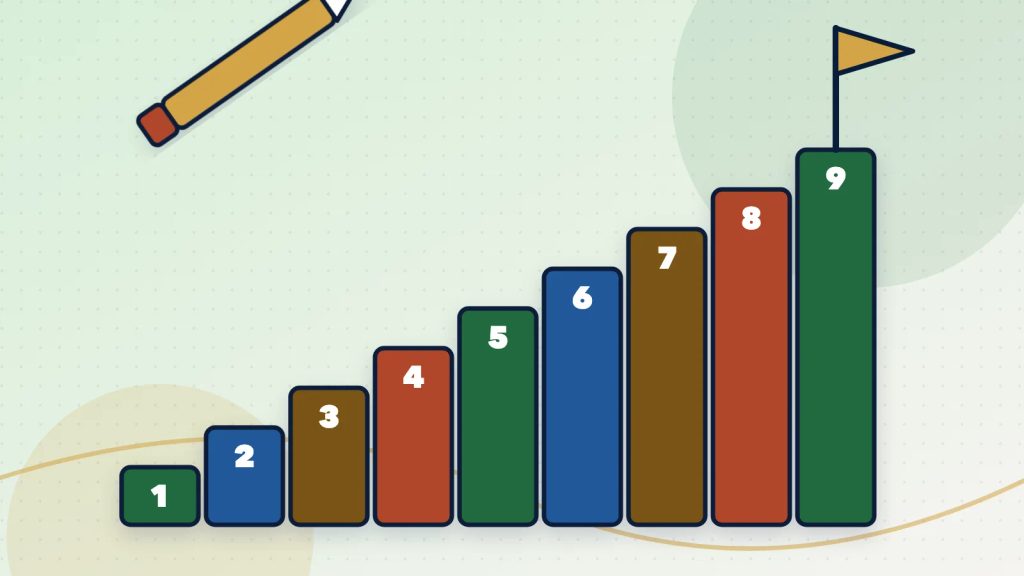
A four-step learning path
- Coding readiness: Algorithmic thinking that starts in kindergarten with classification, pattern and reasoning activities.
- Unplugged coding: Building algorithms with printed materials and games and carrying them out step by step.
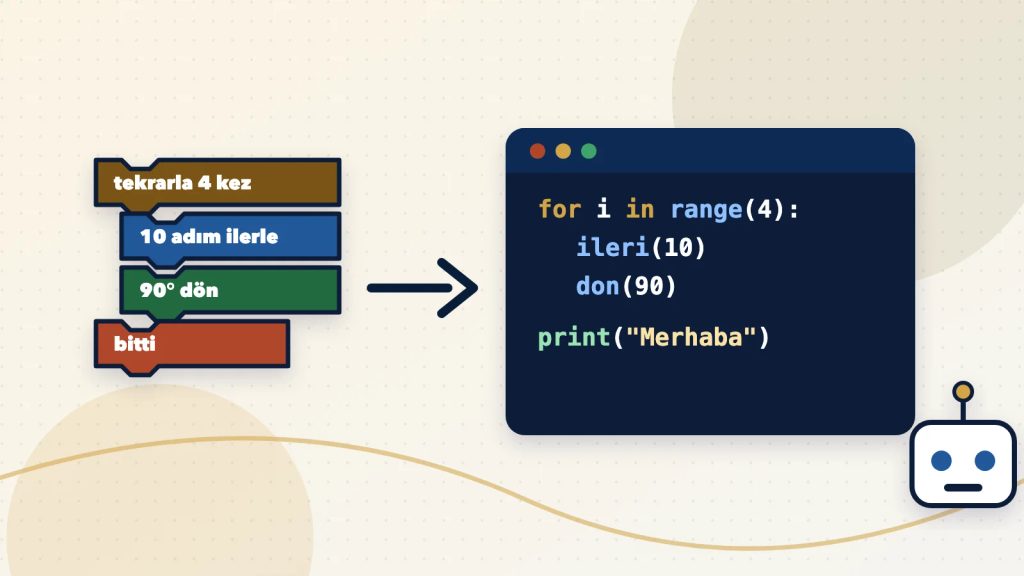
- Scratch · KODU: Taking the algorithmic logic they have learned onto the screen and designing their own games.
- Python and robotics: Text-based coding, task-oriented robots and the fundamentals of artificial intelligence.
In this sequence, the child first grasps the logic through concrete materials and games, then carries this logic onto the screen in visual environments, and finally moves on to a text-based programming language. Scratch is a block-based programming environment developed at the MIT Media Lab; KODU is a visual game design environment developed by Microsoft. Python is a text-based, general-purpose programming language that is widely used around the world.
What do they learn at each stage?
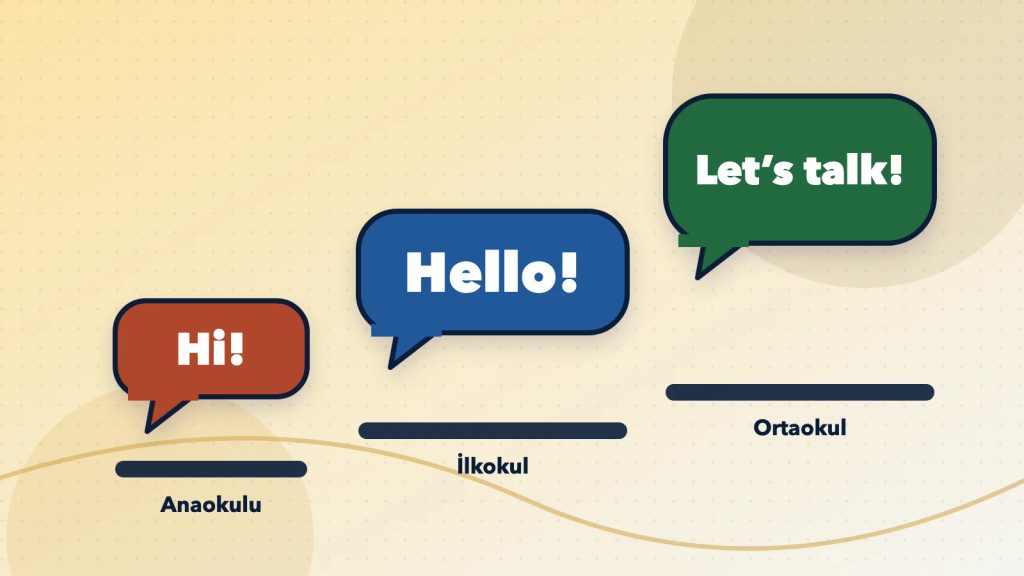
Kindergarten (ages 3–5)
In the Science, Discovery and Curiosity module of the 360 Early Childhood Programme, children observe, make predictions and test with STEAM materials; they prepare for coding through classification, pattern and reasoning activities. With the GEMS programme, they learn science and maths not by memorising but by experimenting, touching and discovering.
With LEGO education sets, children design their stories, become familiar with mathematical expressions and geometric shapes, and make the objects they have designed move by coding them with colours and the drag-and-drop method. Robotics and coding activities are designed to develop thinking skills and to carry out engineering and design work.
Primary school (Grades 1–4)
In primary school, technology is not screen-focused but focused on awareness of proper use. STEM activities, mind games and simple algorithm exercises strengthen thinking skills. Through Robotics and Coding Education, students develop algorithmic thinking and problem-solving skills and produce engineering- and design-focused projects. The aim is to raise children who use technology consciously and productively.
Middle school (Grades 5–8)
In middle school, the Science and Technology Programme comes into play and our students learn at least one coding language every year. The programme is made up of the following components:
- Coding: Developing algorithms with Scratch, KODU and Python.
- Maker: Projects involving electronic circuits, 3D design, modelling and production processes.
- STEM: Engineering projects enriched with art and design.
- Robotics: Designing functional robots and running them with code in a task-oriented way.
- Technology and Values: Ethical and social values in the use of technology.
What we expect from the programme are students who use technology effectively and efficiently, can create designs that meet needs, can test the accuracy of the information they find online, and act within an ethical and legal framework in the digital world. Our middle-school clubs also include an esports club.
Programmes and workshops
Coding Studio. We work with a platform that teaches coding to children aged 7–16 through gamification. It offers e-learning that builds students’ algorithmic and computational thinking skills and lays the foundation for advanced computer skills. The platform’s components include an annual plan aligned with the K-12 curriculum, a fun learning model, robotic coding, live support, a teacher and administrator panel, lesson plans and a teacher’s guide, year-round teacher training, regular reporting, a competition preparation programme, and student and parent competitions.
Robotics Workshop. Our students design functional robots that meet real needs, make these robots move with the help of coding, and enable them to carry out the tasks they are given using software and coding languages.
Maker. All kinds of making fall within the scope of this programme, from cooking to building model aeroplanes, and from model vehicles powered by electronic circuits and motors to ornaments, jewellery and toys printed on 3D printers.
STEM. We deliver international STEM education enriched with art and design. Design-focused and solution-focused thinking is at the heart of this programme.
Responsible technology: values and safe AI
Learning to question what you create and use is as important as learning to create. In the 21st century, making sure that the technology produced and used benefits humanity and is in keeping with the values of society matters at least as much as technical skills.
Technology and Values: digital citizenship
Using technology well starts with using it responsibly. The aim of our Technology and Values programme is to raise students who:
- can make moral decisions online,
- use technology properly,
- can test the accuracy of the information they find online,
- know the ethical and legal consequences of their online behaviour.
Information and media literacy and digital safety are also covered in the Leadership Skills lessons in middle school.
Using AI safely
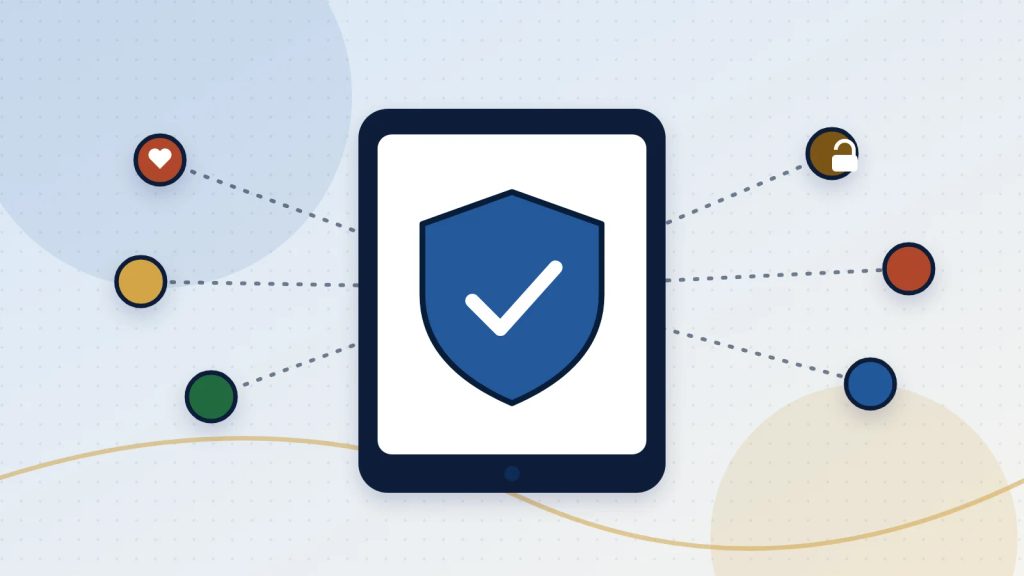
We use artificial intelligence in lessons and in Lider Asistan on our website while protecting children’s safety and privacy. Our principles are:
- The teacher is always in the loop: AI suggests; the teacher evaluates and decides.
- Minimum data: Only the data needed for learning is processed; identity details are not passed on to the tools.
- Not used for model training: Student content is not used to train AI models.
- Age-appropriate tools: We use closed, content-filtered environments managed through school accounts.
- Transparency: We share with parents which tool is used for what purpose.
- KVKK compliance: Explicit consent, privacy notices and retention periods are managed in line with the relevant legislation (KVKK is Türkiye’s personal data protection law).
How can you support at home?
- Talk about “creation time” as well as screen time: let your child tell you about a game they designed, not just one they played.
- You can play unplugged coding at home too: writing out a sandwich recipe or the route from home to the shop step by step as “commands” is a fun way to build an algorithm.
- Look into together whether a news story you come across online is true.
- When using AI tools, talk with your child about why personal information should not be shared.
See our workshops in person
To see our classrooms with smart boards and our robotics and maker work up close, we look forward to welcoming you to our school. Campus visits are available on weekdays 08:00–18:00 and on Saturdays 09:00–13:00. You can fill in the enquiry form on our website or reach our admissions office on 0553 929 29 95 or 444 2 655.