The moment a child plays a song from start to finish for the first time, makes the right pass to a teammate in a match or proudly shows the class a picture they have painted never appears on a school report, yet it is remembered for many years. Art and sport are areas that teach children to express themselves, to put in effort, to lose and to try again.
At the heart of Özel Lider Güneşli Koleji’s educational philosophy lies the belief that every child is born with their own unique talents and that these talents should be nurtured through art and sport. Our Art and Sport Programme is how this belief takes shape in school life.
The programme’s three goals
From kindergarten to middle school, every student:
- plays an instrument,
- develops in at least one sport,
- takes up at least one art form.
The aim of this programme is not to turn our students into professional artists or athletes, but to make art and sport a natural and lasting part of their lives. Students whose talent in art or sport is discovered are guided towards additional extracurricular programmes and supported through them.
Why does it matter so much to us?
Movement is one of the cornerstones of children’s health. The World Health Organization recommends that children aged 3–4 do at least 180 minutes of physical activity spread across the day, of which at least 60 minutes should be of moderate or vigorous intensity. For ages 5–17, the recommendation is an average of at least 60 minutes a day of moderate-to-vigorous activity across the week, with activities that strengthen muscles and bones included on at least three days a week.
Art and sport give children much more than physical benefits:
- Team sports teach following rules, cooperation, and both winning and losing.
- Learning an instrument calls for a habit of regular practice, careful listening and patience.
- Painting and the visual arts support fine motor skills and non-verbal self-expression.
- Drama nurtures empathy, understanding other people’s points of view and the courage to speak in front of an audience.
- Chess and mind games exercise planning, strategy and the ability to think ahead about consequences.
Art and sport at each school stage
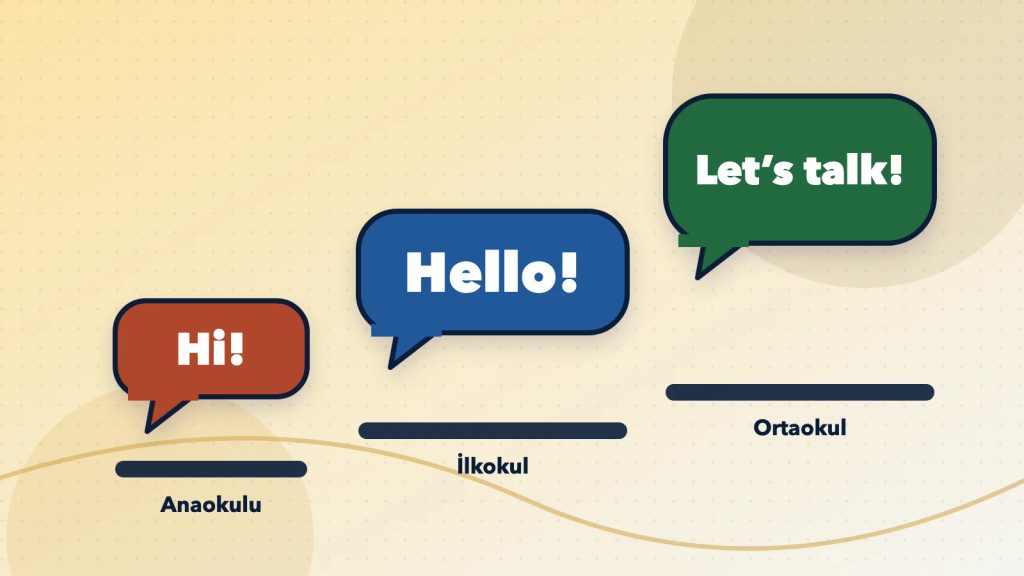
The programme’s goals are the same at every stage; what changes is the method and content suited to the child’s age. In kindergarten the emphasis is on play and movement, in primary school on discovery and variety, and in middle school on depth and choice.
In kindergarten: through movement, rhythm and play
In the Holistic Development and Skills Module of our 360 Early Childhood Education Programme, visual arts, creative drama, music and dance sit alongside Turkish, maths and social-emotional development activities. Guided by our specialist teachers of practical subjects, children explore through free and unstructured play and develop balance, coordination and body awareness.
Music and movement activities help children discover their sense of rhythm and gain creativity and self-confidence, while sensory play sessions contribute to the development of imagination and motor skills. In the Forest School programme, children move outdoors and connect with nature. The drama play, art and music corners in our classrooms, together with our dance and movement studio, make these activities part of everyday life.
In primary school: the years of discovery
Art and sport activities are very valuable in primary school for a child’s social development and self-confidence. Offering dozens of activities in art, science and sport, our programme helps students recognise their own talents, develop a balanced and healthy lifestyle and gain effective self-management skills.
- Art: painting, music, drama
- Sport: basketball, volleyball and basic sports activities
- Clubs: chess, mind games and creative club activities
Art, sport and club activities are planned on a regular basis to support students’ self-confidence, communication and discovery of their talents. Our weekly routines include a problem-solving and mind games hour on Wednesdays and, on Fridays, a responsibility and sharing day spent on classroom duties and mini presentations. The Leadership Skills Programme in primary school is also woven into all activities and games; team games and stage work are natural opportunities for children to gain self-confidence, take on responsibility and strengthen their teamwork skills.
In middle school: depth and choice
In middle school, sports areas and art workshops support students physically and emotionally:
- Art workshops: painting, music, drama
- Sport: basketball, volleyball, table tennis
- Clubs: creative writing, chess, debate, esports
The aim is for every student to discover their own interests. Clubs are not compulsory but are encouraged; club hours are scheduled regularly during the week, and weekly plans include club activity days. At this stage, the Art and Sport Programme runs alongside Leadership Skills lessons, the Science and Technology Programme and Social Responsibility Projects. Our goal is to raise individuals who, alongside their success in national exams, also make their mark in social, cultural, artistic and sporting fields and keep a place for art and sport in their lives. Making room for art and sport in the week of a student preparing for the LGS (Türkiye’s national high-school entrance exam) is also part of a balanced middle-school life.
How do we recognise talent?
Talent often does not reveal itself on its own; it emerges when it is given the opportunity. We observe students’ performance in art, sport, music and robotics workshops. Through a joint assessment by our Psychological Counselling and Guidance (PDR, school counselling) unit and our subject teachers, the areas a student has an aptitude for are identified and reported to the family. Students whose talent becomes clear are guided towards additional extracurricular programmes.
Art and sport also meet our language education: through the CLIL approach (Content and Language Integrated Learning), some topics and content in sport and art lessons are learned together with English. In our sports halls, students develop their physical skills in a fun and disciplined way while laying the foundations of a healthy life.
How can you support this at home?
The family’s attitude is decisive in turning an interest that starts at school into a lasting one. Our suggestions:
- Praise effort more than results: Saying “I can see how much effort you put into this” instead of “That’s lovely” encourages a child to keep trying.
- Let them try things out: The first instrument or sport they choose does not have to be their last. Trying different areas helps them find the one they truly love. Recommendations in sports medicine also stress that trying different sports, rather than being confined to a single one at an early age, is beneficial both for development and for preventing injuries.
- Short, regular practice: With an instrument, playing for a few minutes every day is often more productive than one long session a week.
- Be the audience: Coming to performances, exhibitions and matches lets a child feel that their effort is seen.
- Protect screen-free time: A weekend walk, a bike ride or playing in the park keeps up at home the habit of movement that began at school.
- Make room for rest, too: Overfilling the schedule can take away the enjoyment; sleep and free play are also part of development.
See our campus in person
If you would like to see our sports halls, dance and movement studio and workshops in person, we look forward to welcoming you to our school. Campus visits are available on weekdays 08:00–18:00 and on Saturdays 09:00–13:00. You can fill in the enquiry form on our website, call us on 0553 929 29 95 or 444 2 655, or message us on WhatsApp at 0553 929 29 95.