
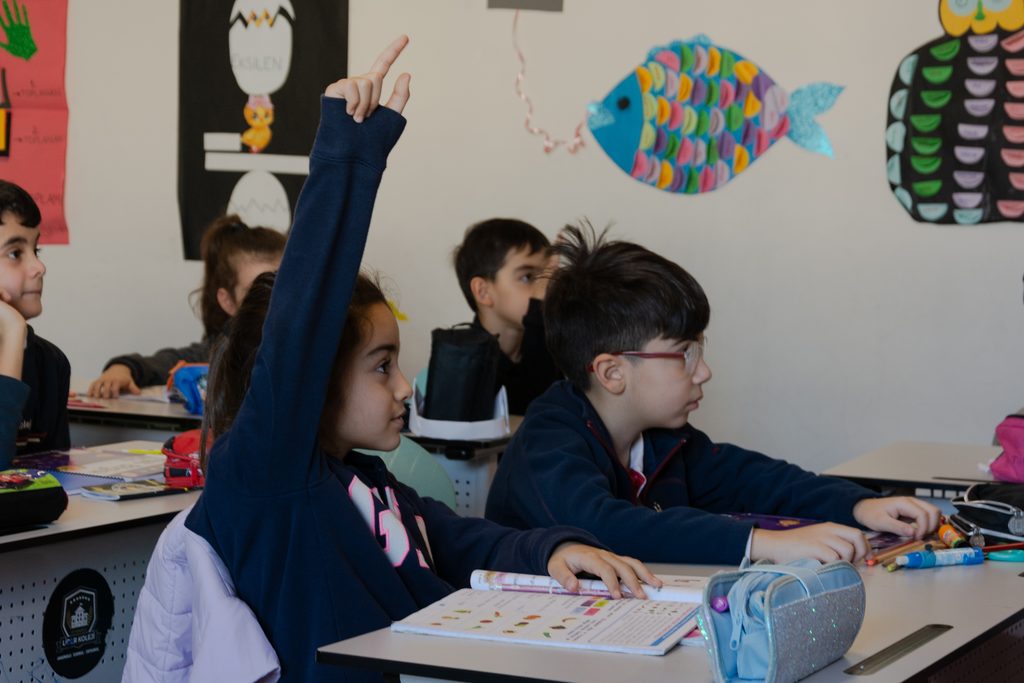
With our personalised learning model we support each pupil’s individual development in Grades 1–4 and build a strong academic, social and emotional foundation.
Primary Education System · Personalised learning
Every child is different and learns differently
We know every child has their own personality, talents and pace of learning, and we design our education system to treat that diversity as a strength. Our primary programme is built on three core stages.
- Stage 1
Getting to know the pupil
Cognitive, physical, social and emotional development is assessed by our Psychological Counselling and Guidance unit with research-based tests and inventories; results are shared with teachers and parents.
- Stage 2
Knowledge- and skills-based content
Alongside academic knowledge: problem solving, creative and critical thinking, collaboration and communication — through play-based, project-based and experiential learning.
- Stage 3
Assessment and progress tracking
Academic and social development is reviewed at regular intervals; progress is shared with parents through spoken and written feedback.
Learning, subject by subject
A strong academic foundation
Programmes that strengthen the academic foundation while growing each child’s curiosity and self-confidence.
-
Reading, writing and strong Turkish
Literacy is the most important gain of primary school. Reading and writing progress through age-appropriate work at the right pace and with the right method; comprehension, interpretation and self-expression are supported by regular activities.
-
Logic and problem solving in maths
In maths the goal is not memorising but logic, reasoning and a problem-solving habit. Concrete materials, games and everyday examples grow a love of maths.
-
Speaking-focused English
English is more than grammar: it grows naturally through speaking, games, drama and projects, so children get used to using the language.
-
STEM, mind games and tech awareness
In primary school technology means using it wisely, not screen time. STEM activities, mind games and simple algorithm work strengthen thinking skills.
Primary Programmes
Beyond academic success
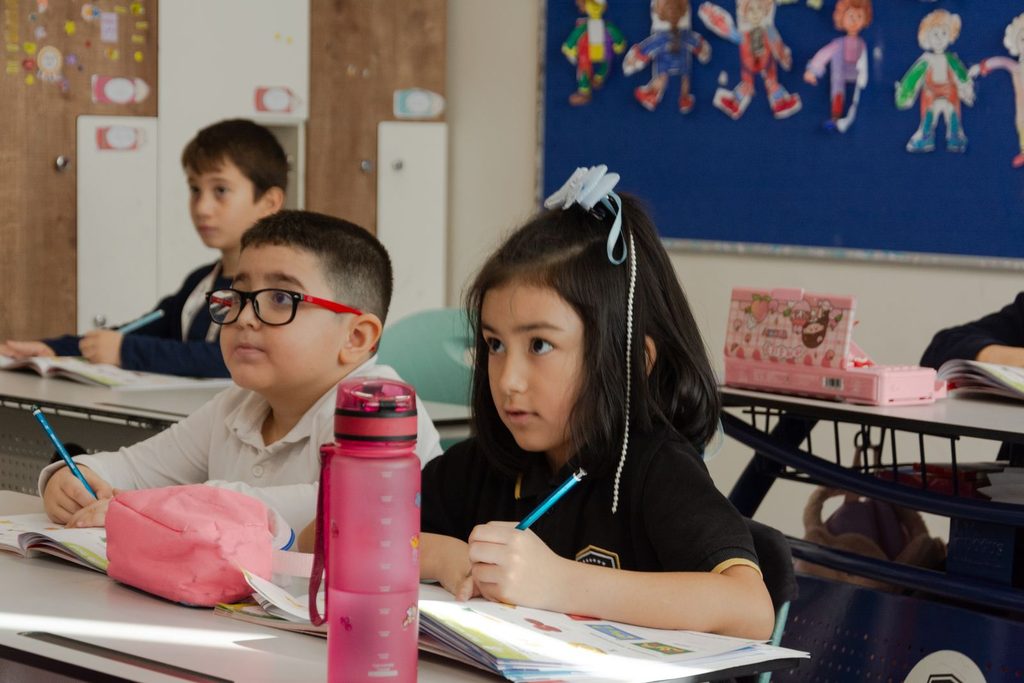
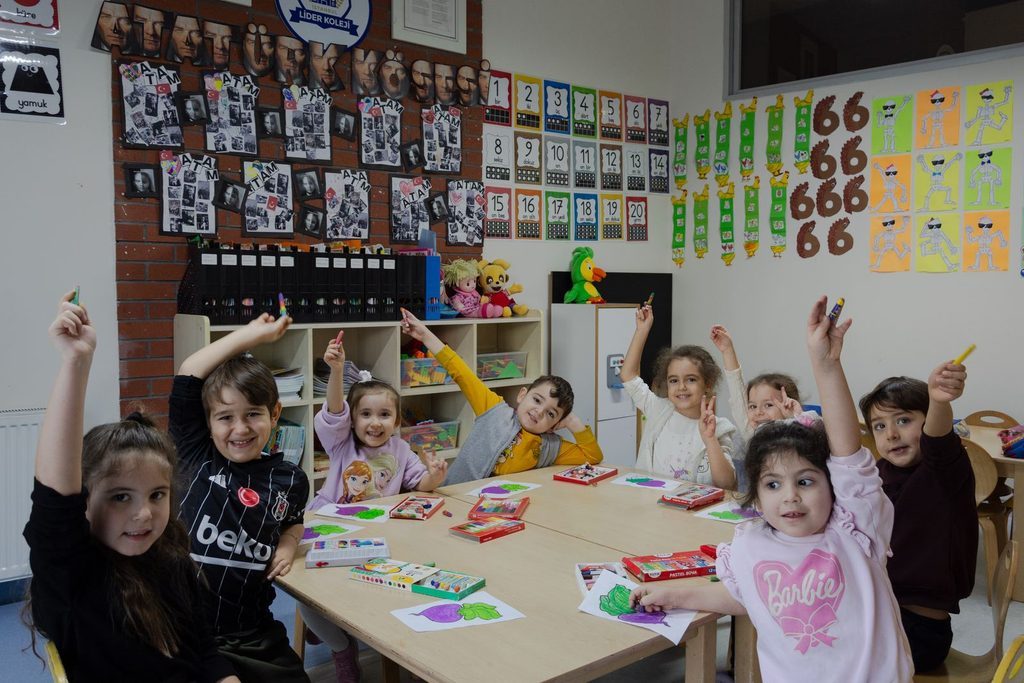
Alongside academic success, we want our pupils to grow into responsible, socially aware people who use technology productively.
-
Arts and Sports Programme
Dozens of activities in arts, science and sports help pupils discover their talents and build a balanced, healthy lifestyle and effective self-management skills.
-
Life Skills Programme
We encourage our pupils in the areas below; along the way they develop collaboration, problem solving, creative and critical thinking, and learn to contribute to society through social responsibility projects.
- Taking responsibility for their learning
- Weighing the consequences of their choices
- Acting to protect nature
- Serving the community
-
Personal Development Tracking System
Our pupils’ development is followed regularly through individual assessments by their class, guidance and specialist teachers. Monthly assessment reports are prepared from these development records.
-
Leadership Skills Programme
Practices built into every activity and game help pupils gain self-confidence, take responsibility and strengthen teamwork.
-
Robotics and Coding
A programme that develops analytical thinking, builds engineering- and design-minded habits and teaches pupils to use technology consciously and productively.
- Algorithmic thinking
- Problem solving
- Engineering and design projects
-
Singapore Maths
With Singapore Maths, we support our students’ mathematical thinking, problem solving and ability to make concepts concrete.
Primary World Languages
Up to 15 hours of English
We teach our ministry-approved, CEFR-aligned programme with a communicative method built around games, roles and problem-solving tasks, so pupils learn to think critically and creatively in English.
-
15
Grade 1
hours of English / week
-
12
Grade 2
hours of English / week
-
12
Grade 3
hours of English / week
-
12
Grade 4
hours of English / week
-
CLIL
Some topics from maths, science, social studies, sports and arts are learned together with English; subjects work across disciplines towards holistic learning.
-
Daily Language Project
Running from age three, it lets pupils learn by living the language in everyday conversation and activities with Turkish and international English teachers.
-
Second Foreign Language: German
German is taught in Grades 3, 4, 5, 6 and 7.
Learning beyond the classroom
Arts, sport and clubs
Arts and sport matter greatly in primary school for a child’s social growth and self-confidence.
-
Arts
- Painting
- Music
- Drama
-
Sport
- Basketball
- Volleyball
- Core sports activities
-
Clubs
- Chess
- Mind games
- Creative clubs
Arts, sport and club activities are planned regularly to support each pupil’s self-confidence, communication and discovery of their talents.
A week at school
Confidence through routine
Planned routines help our pupils build steady study habits. They make learning easier and grow a sense of responsibility.
- Monday
Reading hour and weekly goal setting
- Wednesday
Problem solving / mind games hour
- Friday
Responsibility and sharing day
Class duties and mini presentations
This culture strengthens not only academic success but also communication, organisation and self-discipline.
Psychological Counselling and Guidance
By their side every step
Through our guidance and psychological counselling work, we support our students’ academic, social and emotional development. We hold one-to-one meetings and follow-up work according to our students’ needs.
-
Pupil-centred, development-focused
We put each pupil’s development and learning needs first, with an original guidance programme that follows current international work.
-
A shared, planned approach
Planned, shared practices ensure every pupil receives the same professional service.
-
Individual planning and follow-up
Development is assessed through tests, inventories and observation, and planning follows each pupil’s talents, interests and needs.
-
Working with families
Regular communication, parent workshops and publications keep families involved.
-
Ethical and professional
Our expert school counsellors work objectively and within their ethical codes.
Some of our topics
- Orientation
- Individual development assessment
- Friendships
- Building responsibility
- Expressing and managing emotions
- Preventing bullying
- Self-care skills
- Body safety and privacy
- Attention and thinking skills
- Getting ready for primary school
Parents’ questions
Your questions, answered
The questions parents ask us most about primary school. For anything else, our admissions office is happy to help.
How is reading and writing taught in Grade 1?
Reading and writing are planned around each child’s readiness. Sound-based work, reading-comprehension activities and regular follow-up keep the process on track.
Is there early-years English?
Yes. English is taught through play, conversation and classroom activities suited to natural learning. The aim is for children to get used to using the language.
How can I follow my child’s progress?
Teacher feedback, termly progress reports and one-to-one meetings keep parents regularly informed about their child’s academic and social development.
Is there a school bus from Bağcılar, Mahmutbey and Kirazlı?
Yes. Safe bus routes are planned for Bağcılar, Güneşli, Mahmutbey, Kirazlı and the surrounding areas. Ask the school for current routes.
How big are your classes?
Classes are planned to strengthen pupil follow-up and participation, so that every pupil gets close attention.
Are there social activities and clubs?
Yes. Arts, sport and club activities are planned regularly to support pupils’ self-confidence, communication and discovery of their talents.
Campus visit
