
English for real life
English is more than grammar: speaking, presentations, drama and project-based activities focus on real-life use.
In middle school we guide our students to discover their potential, raise their academic achievement and build a strong future.
Middle School Education System · Personalised learning
We know every student has different interests, talents and a different pace of learning. Our system supports academic success while developing social, emotional and cognitive growth, and is built on three core stages.
Our guidance unit assesses cognitive, social and emotional development with research-based methods and offers individual guidance to discover strengths and set academic goals.
Critical and analytical thinking, problem solving, communication and leadership — through project-based, inquiry-led and technology-supported learning, clubs and social responsibility projects.
Regular exams, project assessments and our individual tracking system measure progress; students and parents receive regular written and spoken feedback.
Specialist teaching
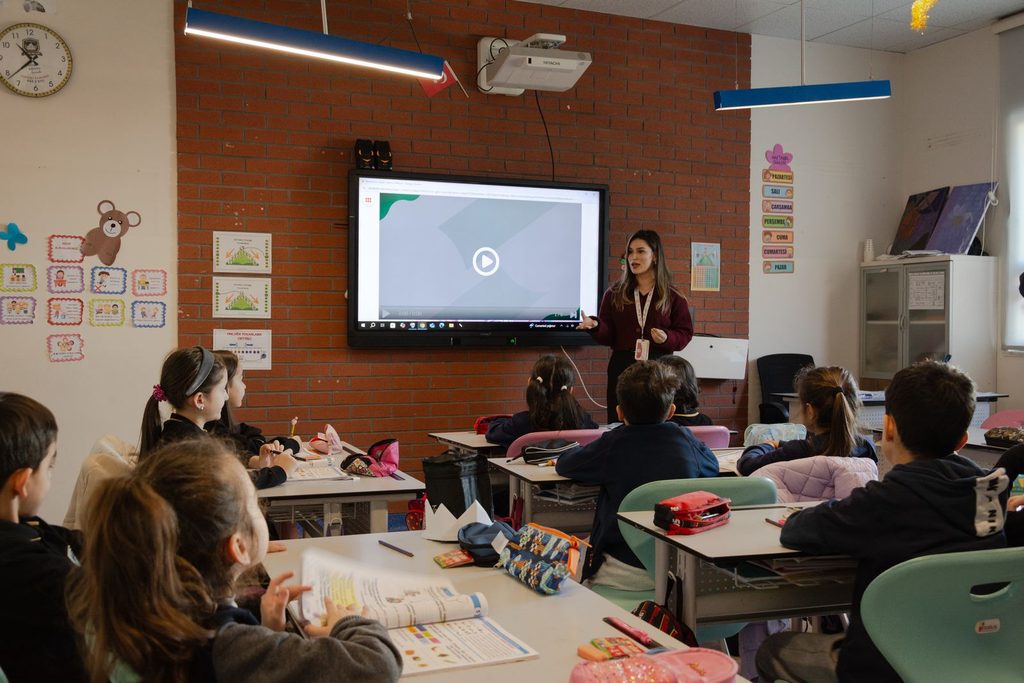
Every subject is taught by a specialist subject teacher. In Turkish, Maths, Social Studies and Science in particular, students build an academic foundation suited to the high school entrance exam.
English is more than grammar: speaking, presentations, drama and project-based activities focus on real-life use.
In middle school technology is more than a subject: students learn to be makers of technology.
Middle School Programmes
We raise students who are well equipped in science, technology, arts, sports and social responsibility.
The Lider Student Development Programme, which starts in kindergarten, continues in middle school with deeper content.
Students who learn at least one programming language every year, use technology well, test what they find online and act ethically in the digital world.
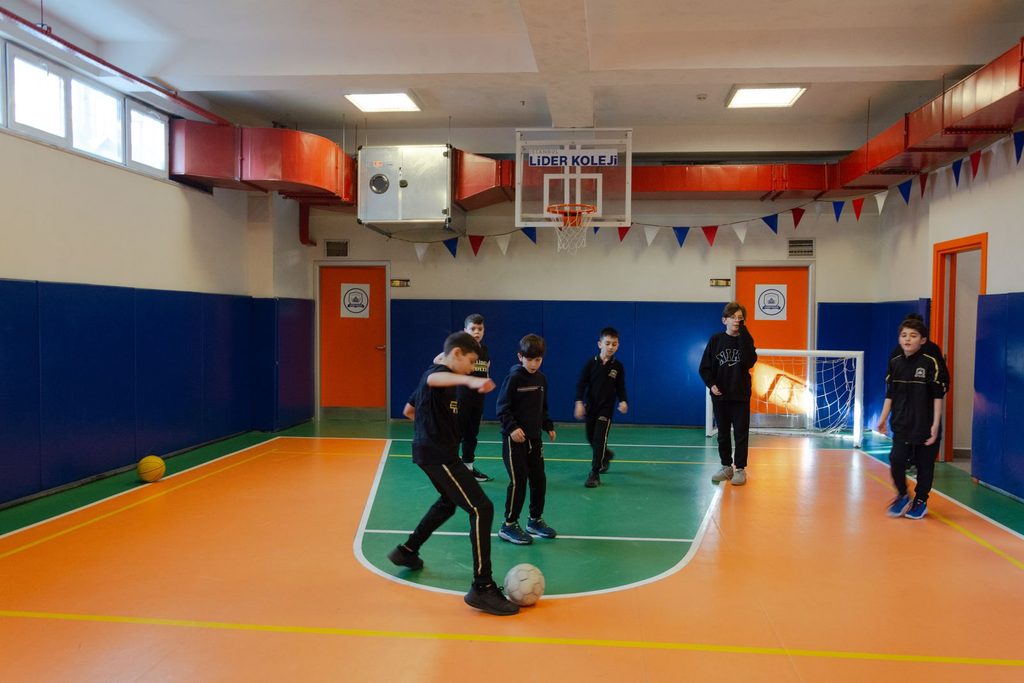
The aim is not to raise artists or athletes but to make arts and sports a natural part of life; students who show talent are guided to extra programmes outside lessons.
Projects run individually or in groups, planned around age groups and community needs, build social awareness.
Middle School World Languages
We teach our ministry-approved, CEFR-aligned programme with a communicative method built around games, roles and problem-solving tasks, so students learn to think critically and creatively in English.
18
Grade 5
hours of English / week
12
Grade 6
hours of English / week
10
Grade 7
hours of English / week
8
Grade 8
hours of English / week
Some topics from maths, science, social studies, sports and arts are learned together with English; subjects work across disciplines towards holistic learning.
Preparation and assessment processes for the ELTA, TOEFL and Cambridge exams.
German is taught in Grades 3, 4, 5, 6 and 7.
LGS Preparation
Through mock exams held every week, we monitor our students’ progress and run the preparation process in a planned way with result analyses, tracking of unmet learning outcomes, one-to-one coaching meetings and support sessions.
50% more lesson hours and activities than the ministry curriculum sets
With our Coaching Tracking System, we follow each student’s academic progress, mock exam results and learning gaps individually. We run goal-focused work together with students, teachers and parents.
Learning beyond the classroom
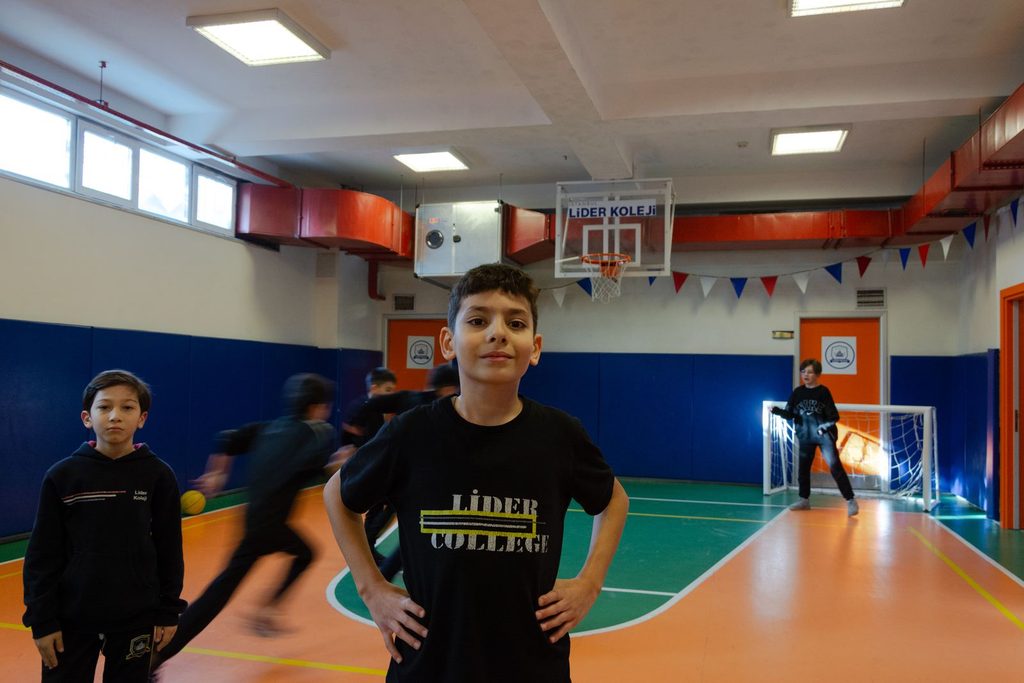
Sports facilities and art workshops support students physically and emotionally.
The aim is for every student to discover their own interests. Clubs are optional but encouraged, with regular weekday club hours.
The weekly plan
Our middle school students follow a system of weekly plans.
These programmes help students build steady, responsible study habits.
Psychological Counselling and Guidance
Through our guidance and psychological counselling work, we support our students’ academic, social and emotional development. We hold one-to-one meetings and follow-up work according to our students’ needs.
We put each student’s development and learning needs first, with an original guidance programme that follows current international work.
Planned, shared practices ensure every student receives the same professional service.
Development is assessed through tests, inventories and observation, and planning follows each student’s talents, interests and needs.
Regular communication, parent workshops and publications keep families involved.
Our expert school counsellors work objectively and within their ethical codes.
Every student has a personal development file, shared openly with the family.
Parents’ questions
What middle school parents ask us most. For anything else, our admissions office is happy to help.
Our LGS programme includes study sessions tailored to each student’s level, with weekly mock exams and topic tracking.
Our bilingual approach makes English part of daily life, with a programme built on plenty of speaking practice.
Yes. Our school bus network safely covers central Bağcılar, Güneşli, Mahmutbey, Kirazlı, Yüzyıl, Yenimahalle and nearby districts.
Clubs are optional but encouraged, with regular weekday club hours.
Our digital student tracking system lets you follow exam results, homework and guidance feedback in a mobile app.
We follow a boutique class model, with classes planned to stay small.
Campus visit
